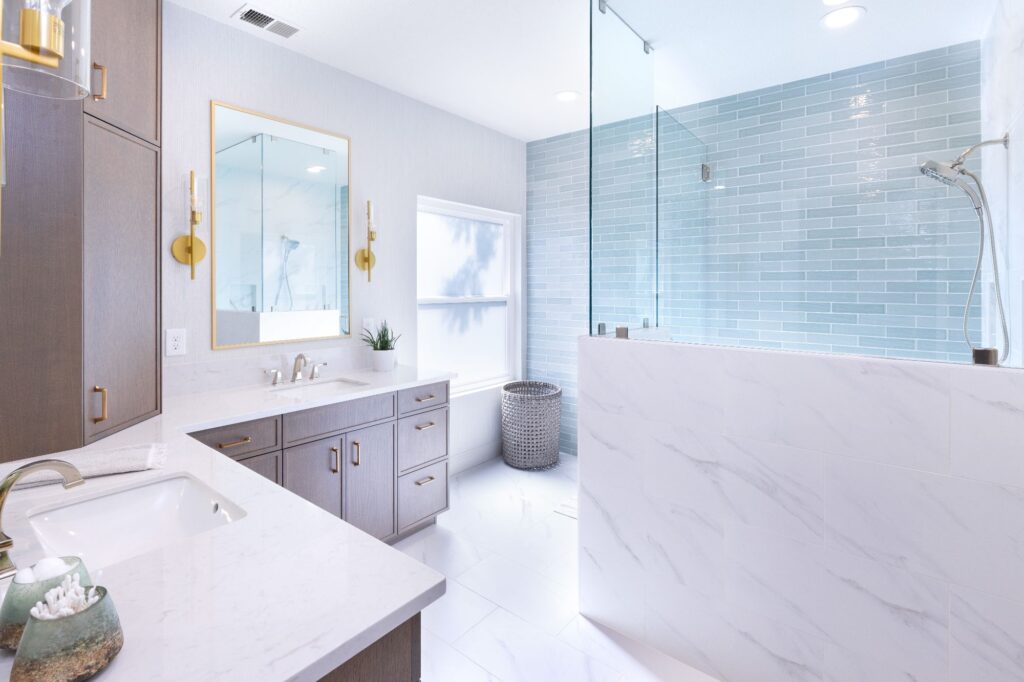
Most homes are designed for a snapshot, what life looks like right now. Home design that evolves with your lifestyle is different. It’s built to support the next few chapters too, so when routines shift, your home still feels effortless instead of outdated or in the way.
If you’re building or renovating in 2026, the goal isn’t to predict your future. It’s to make smart decisions today that let your home flex later, without turning every life change into another remodel.
If you’re new here, you can learn more about our full-service design process and what to expect from a project like this.
Step 1: Plan First for Home Design that Evolves with Your Lifestyle
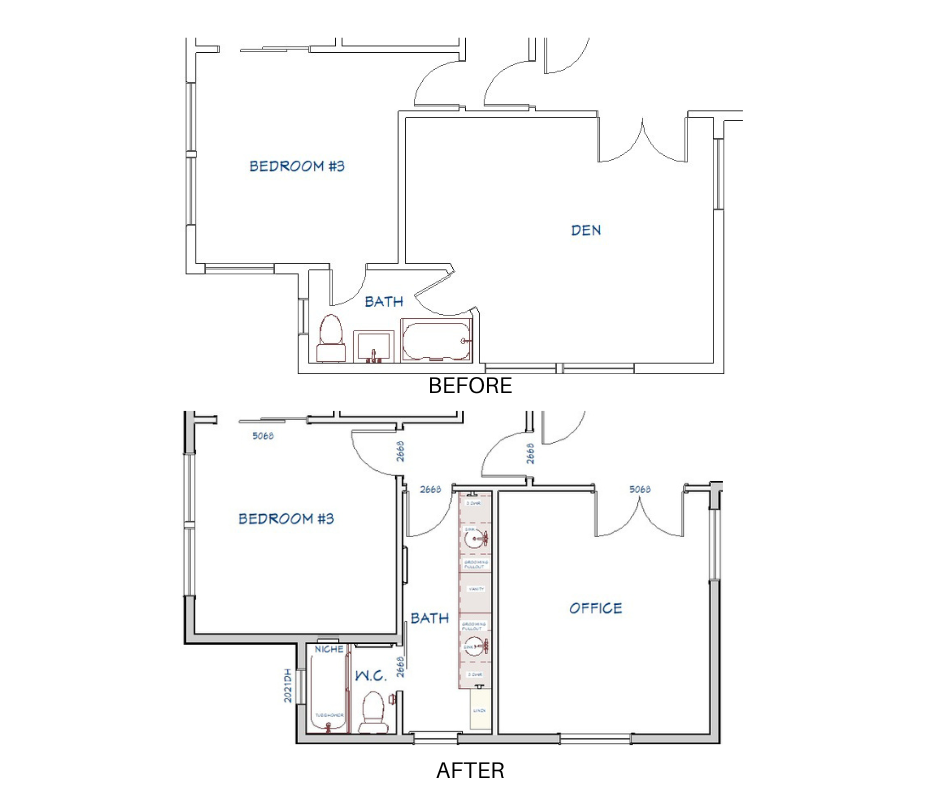
Before finishes, before furniture, before anyone orders a single thing, make the plan. Not the “we’ll figure it out as we go” plan. A real plan that maps how you live and what your home needs to do for you.
Here’s why I feel so strongly about this: design decisions stack. If you start picking pretty things before you’ve settled the layout, storage, lighting, and flow, you end up making expensive compromises later. The plan keeps the project calm. It also keeps you from falling in love with a look that doesn’t support your day-to-day life.
This is exactly where a designer earns their keep, especially in a new build or renovation. A designer isn’t just choosing finishes, they’re building a framework. We look at what should stay fixed for the long term (layout, plumbing locations, electrical, cabinetry footprints, lighting strategy) and what can stay flexible (paint, décor, furnishings, styling). When the “fixed” layer is handled with intention, your home can evolve without redoing the bones.
A practical way to think about it is a simple lifestyle forecast:
- Now: how you live today, your routines, your pain points
- Next 3 years: what’s likely to shift, hybrid work, kids leaving, caregiving, new hobbies
- Next 10 years: what you want your home to feel like long-term, ease, comfort, and function
You’re not trying to guess the future. You’re making sure your home won’t fight it.
If you’re the kind of person who likes a little structure, the NKBA planning guidelines are also a helpful reference point when it comes to clearances and functional layouts.
Step 2: Draw Functionality into Your Design
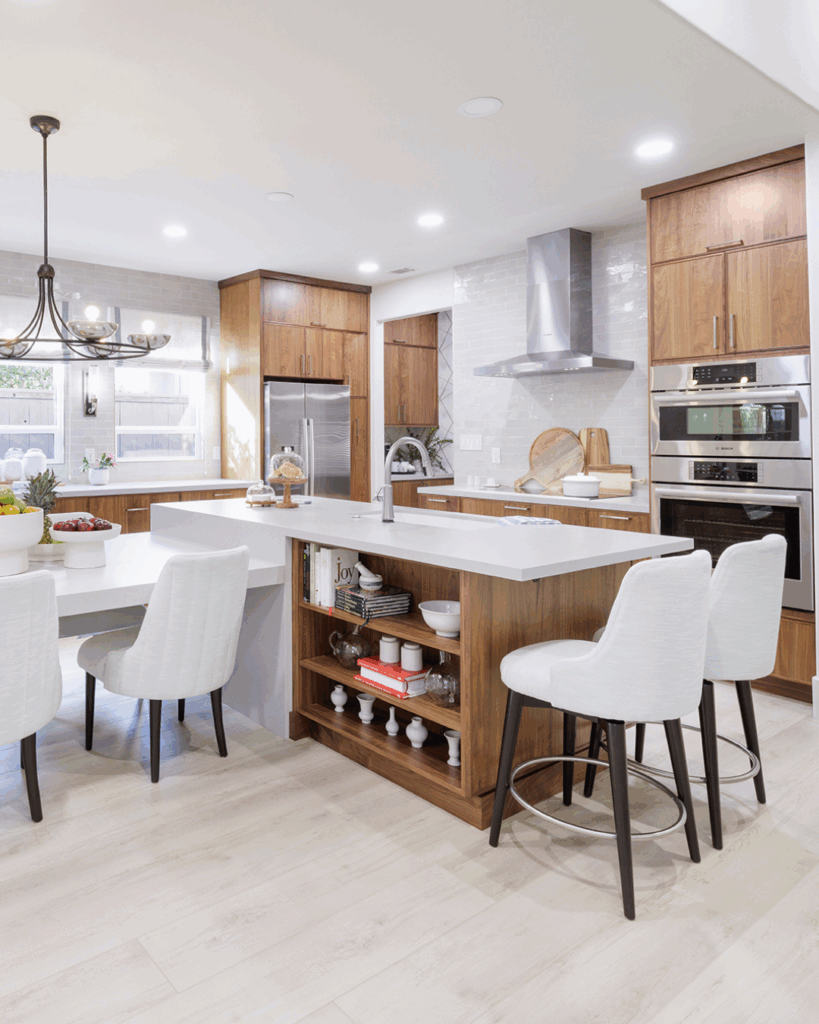
If you want a home that grows with you, don’t rely on baskets and good intentions. Build functionality into the home itself.
That can mean custom cabinetry, built-ins, a pantry that actually works, or storage that matches how you move through the day. It also means planning the invisible things that make a home feel easy: outlets where you need them, lighting that supports multiple moods, and thoughtful “drop zones” that keep clutter from taking over.
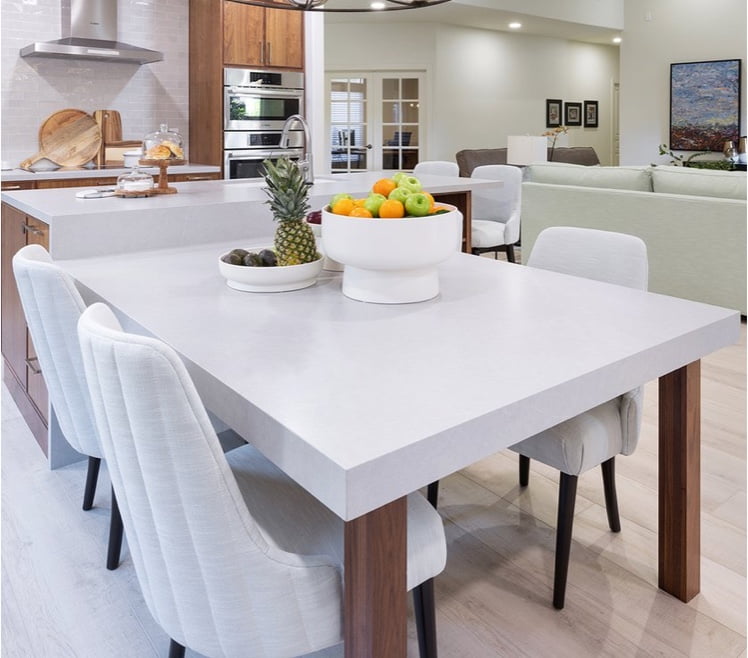
One of the most forward-thinking design shifts right now is designing in zones, not rooms. Your home shouldn’t need a wall change every time your life changes. A dining space can quietly become a studio, a second office, a homework zone, or a calm reading lounge if the infrastructure is there. That infrastructure looks like:
- layered lighting (overhead + task + ambient)
- storage that supports different uses
- outlets placed for real life, not just code minimum
- furniture plans that allow more than one layout
This is also where “future-ready” can be beautiful and subtle. Wider walkways, better lighting in circulation areas, a shower that can be adapted later, drawers instead of deep base cabinets, lever handles, and smart clearances around beds and vanities. None of this has to scream anything. It just creates a home that stays comfortable.
If you want one simple rule, it’s this: put storage where life happens. Not where you think it “should” go. A great home has a place for the messy parts of living, so the rest of it can feel calm.
Want to see how this looks in real homes? Browse the portfolio for examples of built-ins, layouts, and finishes that work hard while still looking elevated.
Step 3: Spend Your Money on Superior Finishes
“Invest in quality” gets tossed around a lot, so let’s make it practical. Spend your money where replacement is painful, and save where swaps are easy.
Invest in what’s difficult and disruptive to change later:
- flooring that runs through main living areas
- tile and waterproofing in bathrooms
- cabinetry and built-ins
- plumbing fixtures in walls
- lighting layout (and enough circuits to support it)
Then give yourself permission to save on the parts you can refresh without stress:
- paint
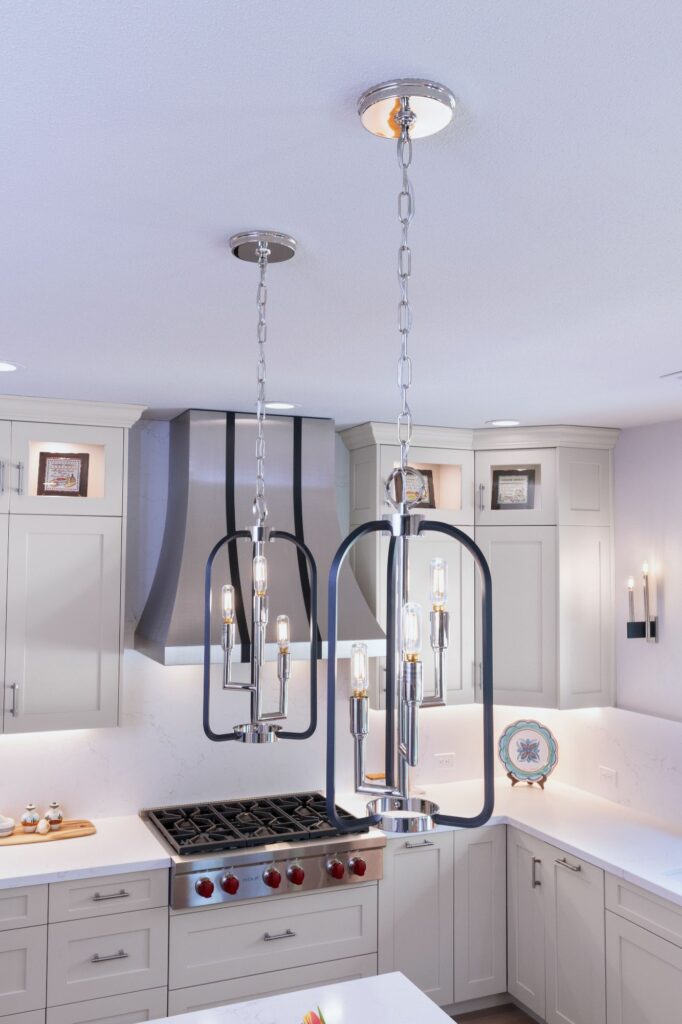
- decorative light fixtures
- hardware
- stools and dining chairs
- rugs and textiles
A helpful way to decide where quality matters most is to use three quick filters:
The Touch Test: If you touch it every day, it should feel good and hold up. Think cabinet hardware, faucets, door handles, stair rails, and high-use surfaces.
The Water Test: Wet zones deserve your best decisions. Bathrooms, laundry rooms, kitchens, and mudrooms need materials that can take daily wear without slowly falling apart. For water-facing areas, choosing fixtures that meet programs like EPA WaterSense can help you prioritize performance without sacrificing style.
The Weight Test: Anything that supports your body weight should be high quality. Sofas, primary beds, desk chairs, and dining seating are not the place to play games. These pieces quietly shape your daily comfort, and they’re expensive to replace twice.
This is how you build a home that stays elevated without constantly being “redone.” It’s not about spending more everywhere. It’s about spending smarter.
A Solid Plan, Built-in Functionality, and the Right Investment
A home that doesn’t chase trends. It’s built on thoughtful choices that stay relevant because they support real life. When the plan is solid, the functionality is built in, and the right investments are made up front, your home can shift with you without losing its beauty or ease.
If you’re building, renovating, or even reworking an existing home to better match the life you’re living now, that’s exactly what we do. Reach out through our contact page and we’ll talk through what your next chapter needs.
Until next time,

If you loved these design-build tips and want more practical advice about your home, you’ll really love our newsletter. Sign up here and get fresh, real-life design guidance delivered straight to your inbox.
FAQ: Home Design that Evolves with Your Lifestyle
What does “home design that evolves with your lifestyle” actually mean?
It means designing your home so it still works when your life looks different, without needing a major remodel. The layout, storage, lighting, and everyday function are planned to flex with new routines, new priorities, and new life stages. Think of it as building a strong foundation now, so future updates are simple swaps, not construction projects.
How do I plan a home that will still feel right years from now?
Start by planning around how you live, not what’s trending. Map your daily patterns, then pressure-test the design with a “now, next, later” mindset: what works today, what might change in the next few years, and what you want your home to support long-term. A designer helps by separating fixed decisions (layout, electrical, plumbing, cabinetry) from flexible decisions (furnishings, décor, paint), so the home can evolve without redoing the bones.
Where should I invest money if I want a home that won’t need constant updates?
Invest in the elements that are hardest and most disruptive to replace. Flooring, tile, waterproofing, cabinetry, built-ins, and the lighting plan are worth doing right the first time. These are the pieces that carry daily wear and are expensive to redo later. You can save on things that are easy to refresh, like paint, decorative lighting, hardware, rugs, and styling.
What are the easiest things to change later, and what’s the hardest to redo?
The easiest updates are the ones that don’t require trades or tear-out: paint, hardware, light fixtures, bar stools, rugs, and accessories. The hardest changes are anything tied to construction and infrastructure, like moving plumbing, reworking electrical, changing cabinetry layouts, replacing tile, and swapping out continuous flooring. That’s why strong planning is the smartest form of “future-proofing.”
How do built-ins and storage help a home adapt to changing life stages?
Built-ins and intentional storage keep your home functional as your needs shift. They reduce clutter, create order where life actually happens, and make rooms more flexible. A space with the right storage and lighting can transition from dining room to office, from guest room to hobby space, or from kids’ zone to calm retreat, without needing a redesign every time.
What are a few practical “future-ready” design choices that still look beautiful?
A few that make a big difference: layered lighting (ambient + task + accent), outlets placed for real life (not just code minimum), drawers instead of deep base cabinets, wide and comfortable circulation paths, and a bathroom plan that can adapt later. None of these have to look clinical. When they’re integrated well, the home simply feels easier to live in, and it stays that way.
Do I need a designer for home design that evolves with your lifestyle?
You can absolutely start with these principles on your own, but a designer helps you avoid expensive missteps and brings clarity to the parts people tend to overlook, like lighting strategy, storage planning, and how rooms can flex over time. The goal is a home that supports you now and later, with fewer regrets, fewer do-overs, and a lot more ease.