Somewhere along the way, our homes started looking suspiciously alike.
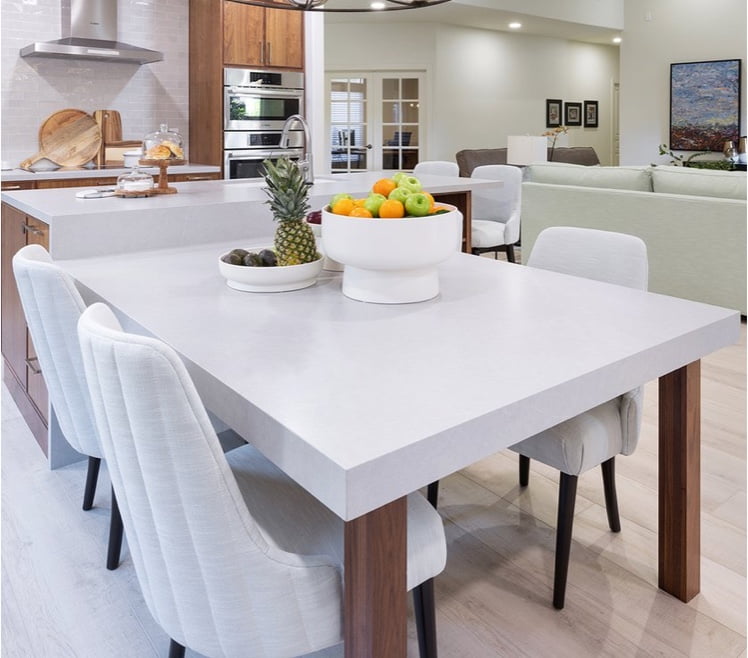
The same boucle chairs. The same white kitchens. The same pale oak floors. The same oversized pendant lights hanging over islands large enough to land aircraft on. Scroll long enough on Pinterest or Instagram and you begin to feel like you are looking at the same house wearing different lipstick.
Beautiful? Sometimes.
Memorable? Rarely.
We are living through the first era of algorithm-driven interiors, and it is quietly reshaping the way people think about home. Social media has given us endless inspiration, but it has also flattened individuality. Homes are increasingly designed for approval online instead of authenticity offline.
And people are starting to feel the emptiness of that.
Because eventually, no matter how trendy a room is, you still have to live inside it.
The Rise of the Copy-and-Paste Interior
The internet changed design in extraordinary ways. Suddenly homeowners had access to inspiration from around the world. Trends that once took years to spread now circulate globally in weeks.
But algorithms reward repetition, not originality.
The more a room resembles what people already engage with, the more visibility it gets. Over time, this creates a feedback loop where sameness becomes aspirational.
That is how we ended up with entire neighborhoods of homes that feel interchangeable.
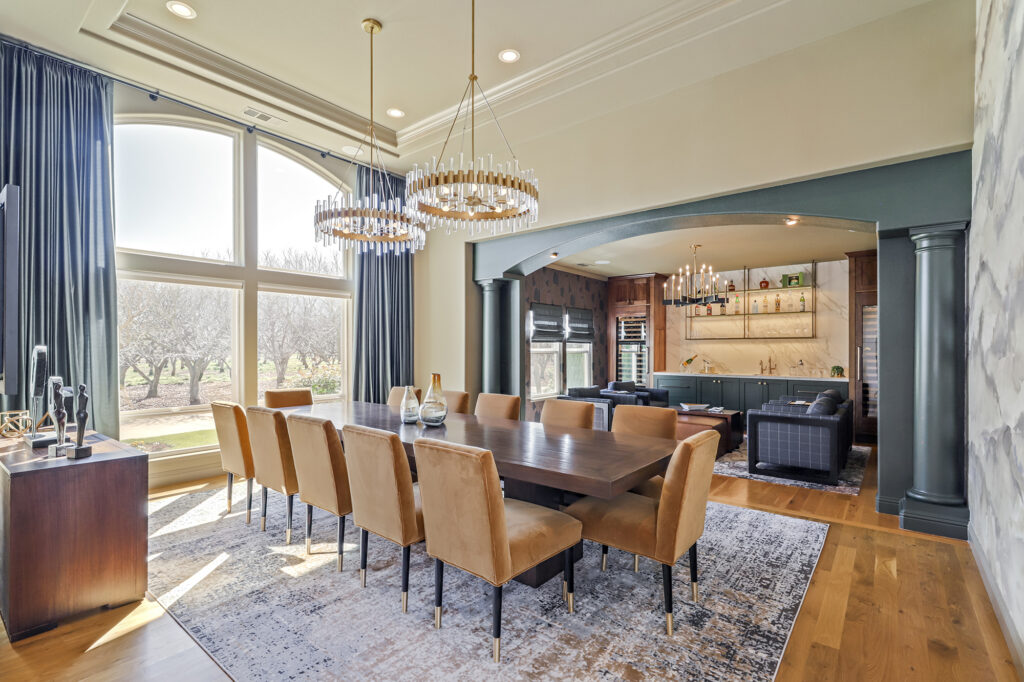
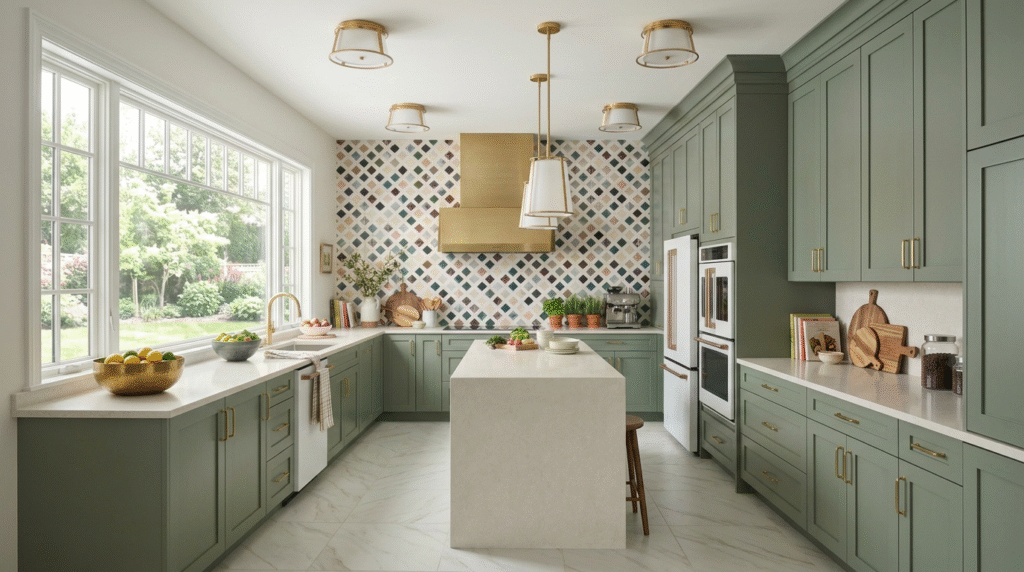
- Kitchens stripped of personality in favor of resale value.
- Living rooms designed around what photographs well.
- Spaces that look polished online but strangely lifeless in person.
The result is a kind of aesthetic déjà vu.
People are surrounded by “inspiration” but feel less connected to their homes than ever.
Trend Fatigue Is Real
One of the biggest side effects of algorithm culture is exhaustion.
Trends now move at a pace no home can realistically keep up with. One year everything is gray and minimalist. The next, warm woods and vintage charm return. Then suddenly maximalism is back. Then quiet luxury. Then dopamine décor.
Homeowners are left constantly wondering:
Am I behind already?
Should I repaint?
Do I need all new furniture again?
It creates unnecessary anxiety around spaces that are supposed to provide stability.
A home should not feel like it expires every 18 months.
And frankly, most people do not actually want a trendy house. They want a home that feels like themselves. They just have not been taught how to identify what that is anymore because they are drowning in other people’s aesthetics.
Pinterest Cannot Tell You Who You Are
Pinterest is a tool. Instagram is a tool. Neither one should become your personality.
That may sound harsh, but it is true.
One of the most important parts of working with clients is helping them separate genuine preferences from algorithm conditioning. Sometimes people save hundreds of images online, only to realize none of the spaces actually reflect how they want to live.
A serene minimalist room may photograph beautifully, but if you are someone who loves books, collected objects, layered textiles, and dinner parties, forcing yourself into aesthetic minimalism will never feel comfortable.
Likewise, someone craving calm and emotional ease may feel overwhelmed trying to replicate highly saturated maximalist interiors simply because they are trending.
Good design starts with self-awareness, not social media.
The most beautiful homes are rooted in identity.
Individuality Creates Soul
The homes people remember are rarely the most perfect ones.
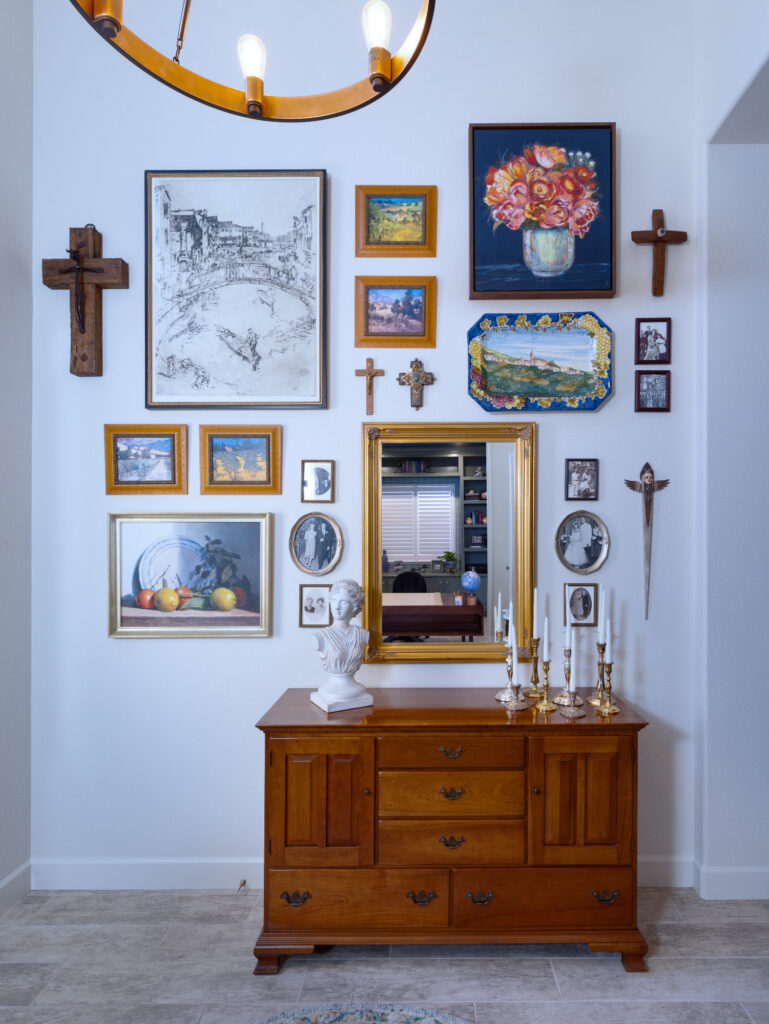
They are the homes with texture. History. Contradiction. Personality.
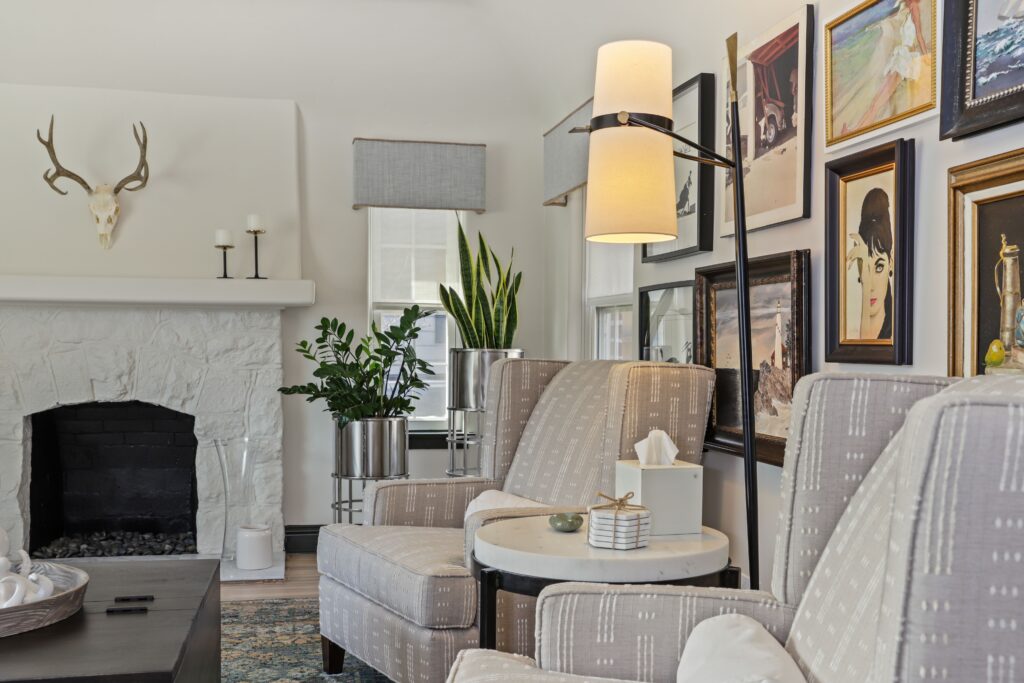
A vintage chair passed down from a grandmother sitting beside a modern sofa.
Artwork collected while traveling.
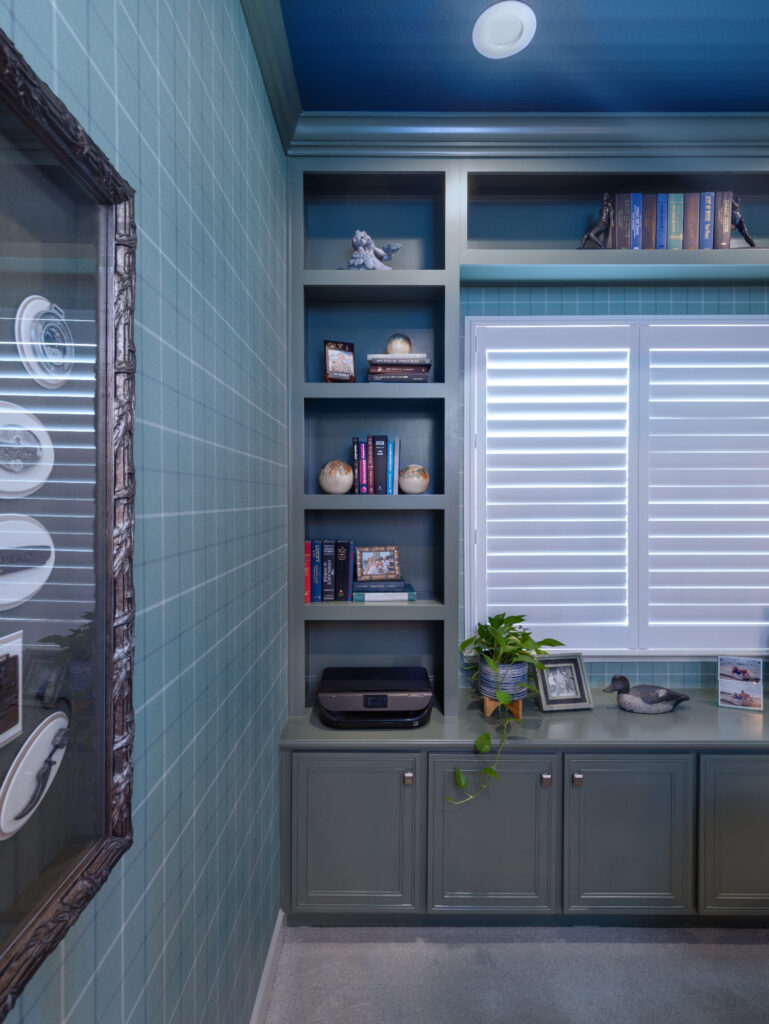
Bookshelves that reflect actual interests instead of color coordination.
Rooms that evolve over time instead of arriving fully staged.
These spaces feel human because they are human.
That kind of individuality cannot be downloaded from an algorithm.
It requires slowing down enough to ask:
What actually makes me feel at home?
What do I want this room to support emotionally?
What parts of my life deserve space here?
Those answers create far more interesting interiors than any trend forecast ever could.
The Return of the Collected Home
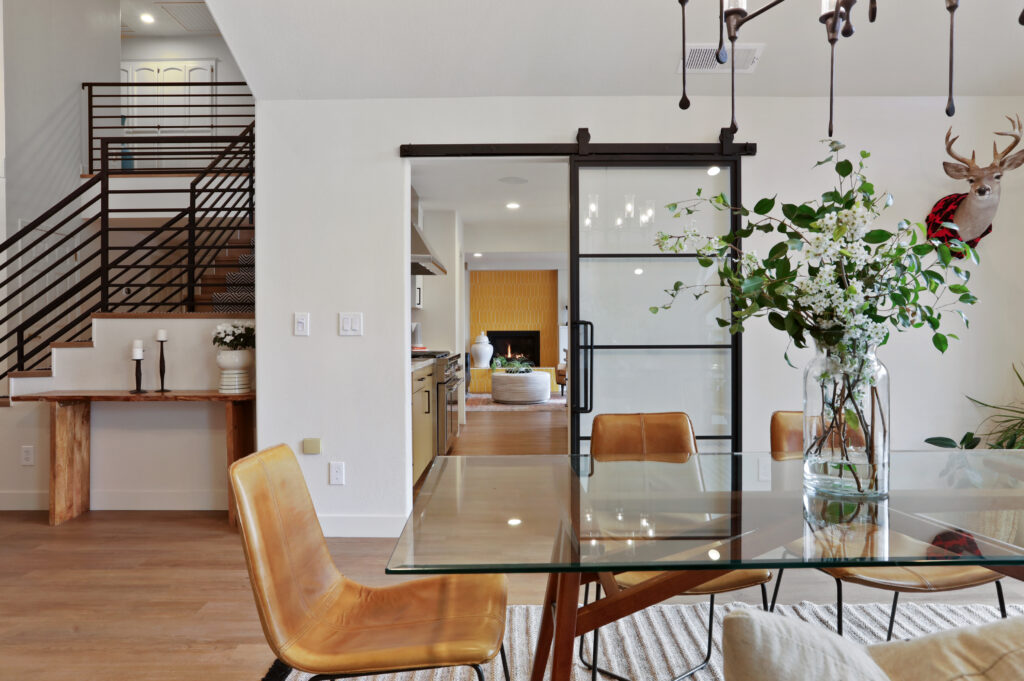
Interestingly, shelter magazines themselves are beginning to shift away from hyper-styled perfection. There is growing interest in interiors that feel layered, personal, and lived-in.
Homes with warmth.
Homes with narrative.
Homes that reveal something about the people inside them.
That shift reflects something much bigger culturally. People are tired of performative living. They are craving authenticity again.
And authenticity almost always comes with a little imperfection.
A collected home does not happen overnight. It develops gradually through experiences, travels, relationships, and evolving taste. It feels grounded because it is connected to real life instead of internet aesthetics.
Ironically, those are the homes that ultimately become timeless.
Designing Beyond the Algorithm
Creating an anti-algorithm home does not mean rejecting inspiration altogether. It means using inspiration thoughtfully instead of blindly.
A few questions I often encourage clients to ask:
- Would I still love this if nobody saw it online?
- Does this support how I actually live?
- Am I drawn to this because it resonates with me or because I have seen it repeatedly?
- What objects, colors, or materials genuinely bring me comfort?
Those answers matter more than trend cycles ever will.
Because the goal is not to impress strangers on the internet.
The goal is to create a home that feels grounding when the outside world becomes noisy.
A home that reflects your story instead of the algorithm’s.
And in an era where so much feels mass-produced and digitally filtered, individuality may be the most luxurious design choice left.
A home should not be a collage of whatever the internet served you last.
It should feel grounded in your life, your rhythms, your memories, and your point of view. Inspiration has its place, but it should never replace identity.
The most interesting homes are not the ones that follow every trend perfectly.
They are the ones that could only belong to the people who live there.
If this essay resonated with you, I invite you to continue the series next month with Designing for One, where we’ll explore how solo living is reshaping residential interiors and why designing a home around one person’s life can be one of the most intentional choices of all.
Until then, consider this:
If you removed every trend from your home, what would still feel unmistakably yours?
At KTJ Design Co., we design homes that feel personal, intentional, and deeply livable, not copied and pasted. If you’re ready for a home that reflects who you are now, schedule a design consultation.
Until Next Time,