For the last decade or so, open concept floor plans have been treated like the gold standard of home design. Everywhere you looked, walls were coming down. Kitchens blended into living rooms, dining rooms disappeared into great rooms, and suddenly the idea of separate spaces felt old-fashioned.
But design trends shift, and this one is starting to lose its grip. Even major design publications like Architectural Digest have started questioning whether open layouts truly support everyday living.
The truth is, open floor plans aren’t always the dream they’re made out to be. While they can work beautifully in some homes, they aren’t automatically the best choice for every family, every lifestyle, or every stage of life. In fact, more homeowners are starting to realize that a little separation can make a home feel more functional, more peaceful, and even more beautiful.
Here are three reasons to give a closed floor plan a second look.
1. Open spaces tend to collect more stuff
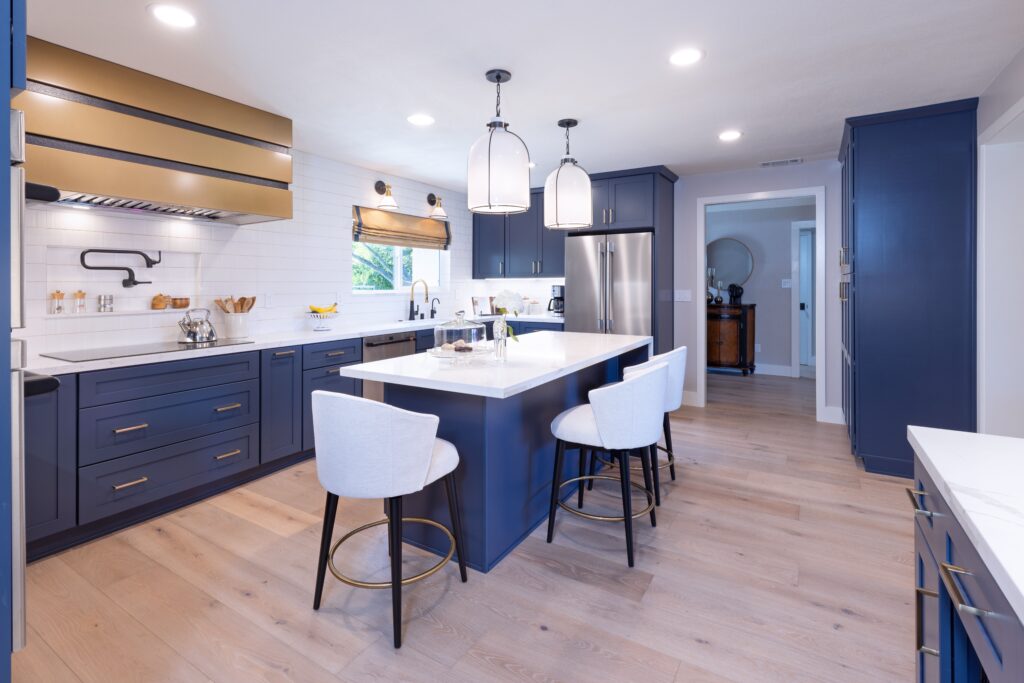
There’s something about a large, open room that makes people think they have endless space. On move-in day, it feels airy and expansive. It seems like there’s room for everything.
Then life happens.
A couple of sofas show up. Then a console table. Then toys, baskets, dog beds, side tables, extra chairs, and that one piece of furniture you’re keeping “just for now.” Before long, the room that once felt wide open starts to feel crowded and visually busy.
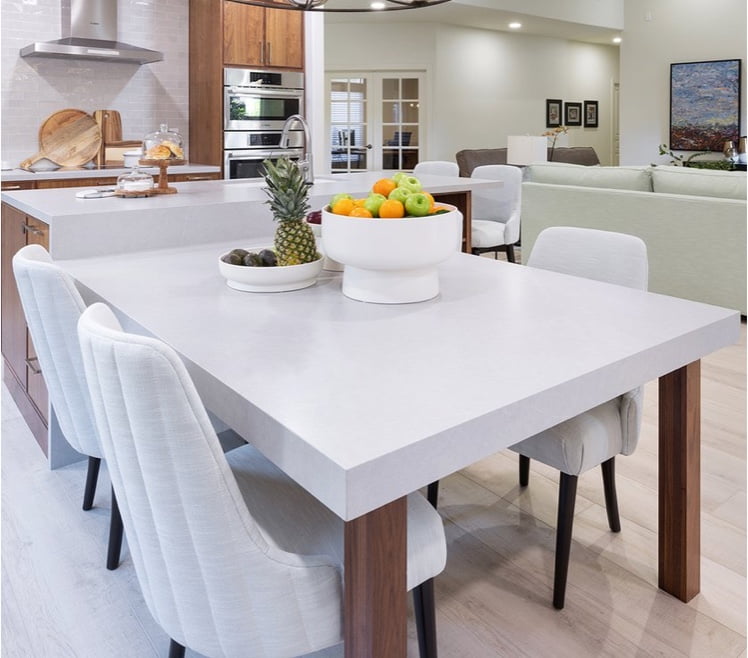
That’s one of the biggest downsides of an open concept layout. When multiple functions are happening in one shared space, all the furniture and belongings for those functions pile into the same visual field. The kitchen is on display from the living room. The dining area competes with the family room. Every countertop, every pile, and every mismatched accessory becomes part of the overall picture.
And if the style of one area doesn’t quite flow with the next, the whole space can start to feel disjointed.
Closed floor plans naturally create boundaries, which helps contain both clutter and visual noise. Separate rooms allow each area to serve its purpose without having to coordinate perfectly with everything else in sight. That can make the home feel more intentional, more organized, and a whole lot calmer.
2. Separate rooms create better harmony at home
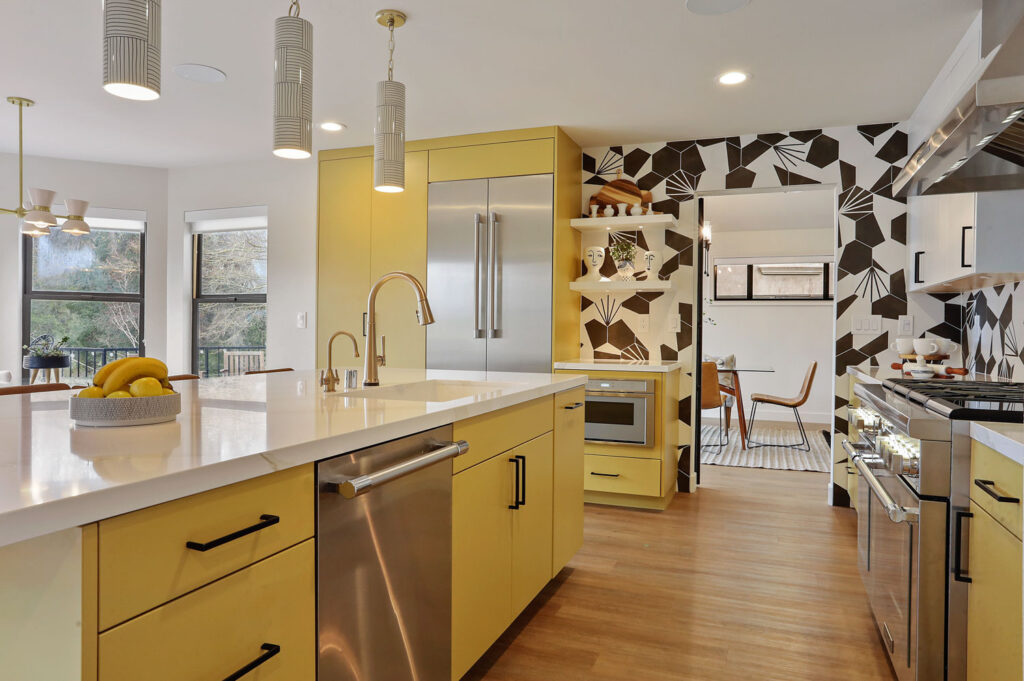
Open concept living sounds great in theory. Everyone is together. The house feels connected. There’s easy flow from one area to the next.
But in real life, people don’t always want to do the same thing at the same time.
Maybe one person wants to watch the game in peace while someone else is trying to cook dinner and listen to music. Maybe the kids are doing homework at the table while the blender is running in the kitchen. Maybe someone just wants a quiet corner to read without hearing every sound from the rest of the house.
In an open floor plan, all of that activity overlaps. Conversations carry. Appliances echo. Television noise travels. There’s very little separation, which means very little escape.
That constant exposure to sound and activity can make a home feel chaotic, even when no one is doing anything wrong. Studies and homeowner feedback, including insights shared on Houzz, often point to noise and clutter as two of the biggest challenges with open layouts.
Walls may not sound exciting, but they do something incredibly valuable. They create privacy. They reduce noise. They let different people use the home in different ways without stepping on each other’s toes.
Sometimes the best thing for household harmony isn’t more togetherness. It’s the ability to spread out.
3. Defined spaces often feel more comfortable and more usable
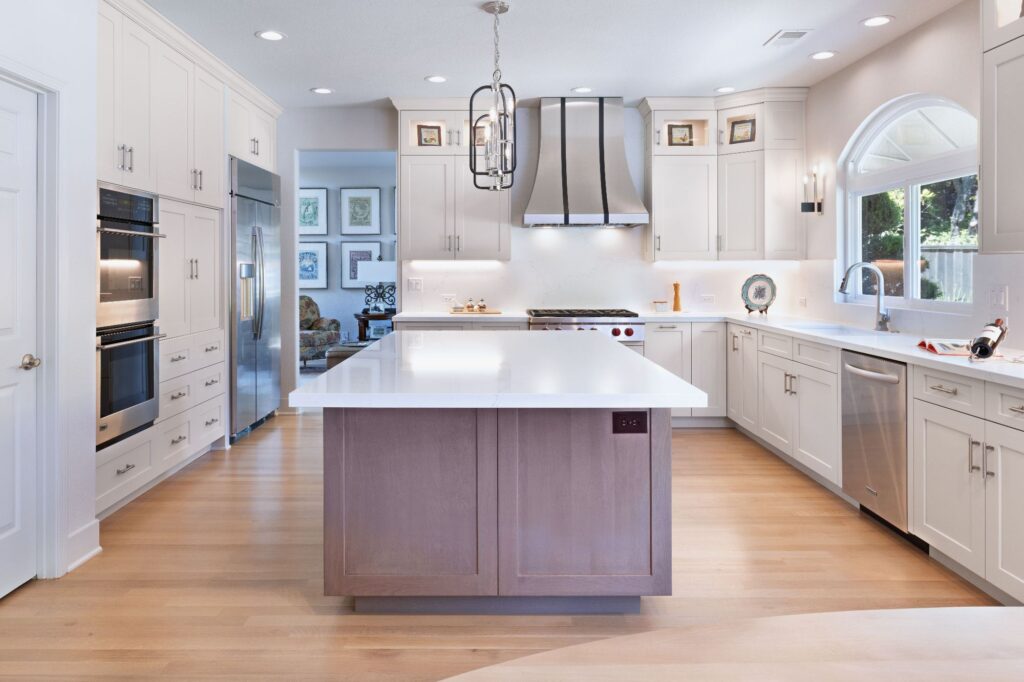
Bigger isn’t always better. In fact, one oversized room can sometimes feel harder to live in than a series of well-proportioned spaces.
Large open areas can be tricky to furnish. Homeowners often struggle with where to place furniture, how to anchor the room, or how to make the space feel cozy instead of cavernous. Without walls to guide the layout, the room can feel undefined, and that lack of structure can make it less functional.
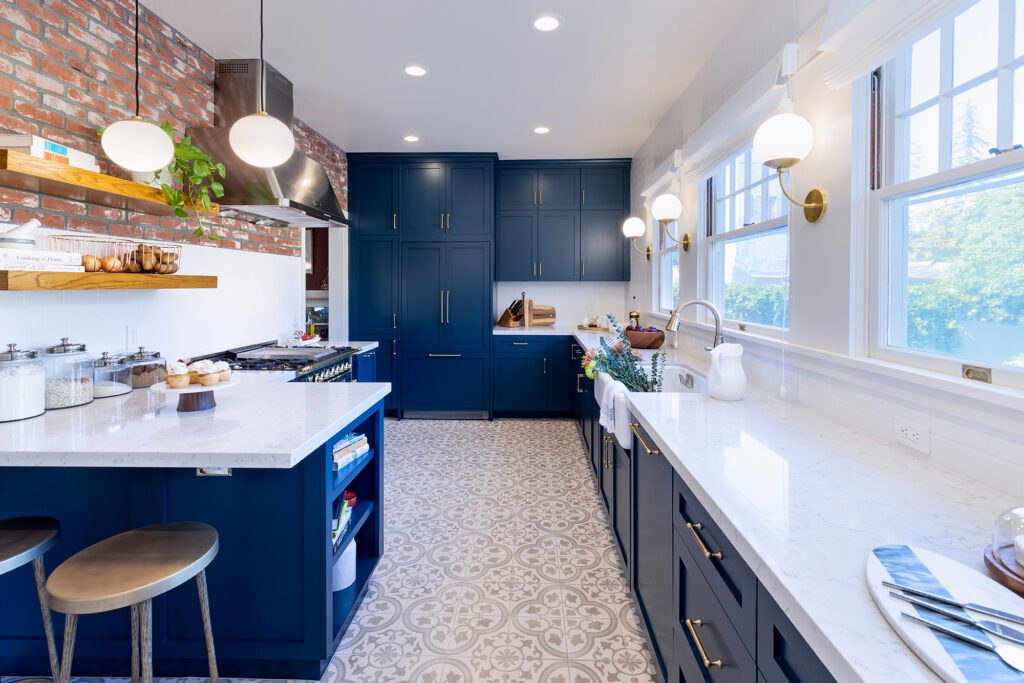
Closed floor plans solve that problem by giving each room a clear purpose. A dining room is for dining. A living room is for conversation or relaxing. A kitchen gets to be a kitchen, not part of a giant all-purpose zone that has to do everything at once.
Defined spaces can also feel more intimate and inviting. They’re often easier to furnish, easier to decorate, and easier to keep looking polished. Instead of one room trying to carry the weight of the entire main living area, each room gets to shine on its own.
That doesn’t mean a closed floor plan has to feel chopped up or dated. With the right design, separate rooms can still feel fresh, bright, and connected. The goal isn’t to make a home feel smaller. It’s to make it feel better.
The case for bringing walls back
Open concept floor plans had a long moment, and for some households, they still make sense. But they’re not the only answer, and they definitely aren’t the best answer for everyone.
A closed floor plan can offer something many homeowners are craving right now: a home that feels calmer, more functional, and more supportive of real everyday life.
Sometimes a little separation is exactly what makes a home work better. As more homeowners reconsider their layouts, even mainstream home resources like The Spruce are highlighting the benefits of defined, purpose-driven spaces.
And yes, after all these years, the design world is finally ready to say it.
The open concept floor plan may be on its way out the door.
Pun absolutely intended.
Until Next Time,