The formal living room has been declared dead for about a decade. You’ve probably read the obituaries. Nobody uses it, the good sofa sits there untouched, and the family piles into the kitchen instead.
All true. So when homeowners come to me wanting to turn that room into something else, I understand the impulse. A reading lounge. A home office. A wine room. A quiet space for coffee in the morning.
My first question is always the same: how do you know you’ll use it?
The replacement is usually just as aspirational
This is the part the “dead room” articles skip. The formal living room didn’t fail because it was formal. It failed because someone designed it for a life they imagined: the dinner parties, the grown-up conversations, the guests who would sit there with a drink.
A lot of conversions repeat the same mistake with a new theme. A meditation room for someone who has never meditated at home. A library for books that have been in boxes since the last move. A music room built around a piano nobody plays.
Different purpose, same problem. You’ve traded one imagined life for another, and in two years you have a new dead room with better lighting.
Auditors don’t accept “we always do that”
Before I started KTJ, I was an audit manager. One of the first things you learn in auditing is that what people say happens and what actually happens are two different things. If management tells you every invoice gets approved before it’s paid, you don’t write that down and move on. You pull the invoices and look.
Homes work the same way. Clients tell me, “We’d use that room if it were cozier,” or “We really need more space for entertaining.” Sometimes that’s right. Sometimes the house has been saying something else for years, and nobody has been watching.
So before we decide what a room should become, I want evidence.
The holidays are the best test your house gets all year
Most of the year, a house runs at partial load. A couple of people, a routine, the same three rooms.
Then Thanksgiving happens. Fourteen people, a turkey, coats, kids, a dog, somebody’s new boyfriend. For one day, every room gets tested at once. That makes it the most honest look you’ll ever get at how your house actually works.
This year, don’t just survive the holidays. Take notes. Here’s what to watch:
- Where people go first when they walk in the door
- Where everyone stands in the kitchen, and whether it’s where the cook needs to be
- Which room fills up first, and which one stays empty even when the house is full
- Where the coats, bags, and dishes end up piling
- Where the quiet conversations happen
- Where you, the host, spend most of the day
Write it down that night, while it’s fresh. By January you’ll have forgotten half of it.
What the notes tell you
The answer is rarely “give the formal room a new theme.”
If everyone crowds the kitchen while the living room sits empty, the problem may be the wall between them, or a kitchen with nowhere to sit. A new purpose for the empty room won’t fix that.
If the only person who uses the formal room is the relative who needs a break from the noise, that’s useful too. Your house may need a real retreat from the crowd. Maybe that’s the room, and it just needs chairs people actually want to sit in and lighting that works after 5 p.m.
If you spent the whole day stuck at the stove with your back to everyone, that isn’t a living room problem. That’s a kitchen layout problem.
And sometimes the answer is to keep the formal room and make it usable. Usable is a different goal than formal, and a different goal than trendy.
When the evidence leads
A couple we’d worked with before called us about their formal rooms. The formal living room sat unused. The dining room was a dining room, but was inadequate when they had guests (which they do a lot).
What they actually did, over and over, was host. Dinner for 20 was normal. Family celebrations ran as big as 50.
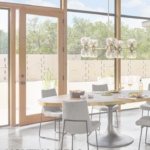
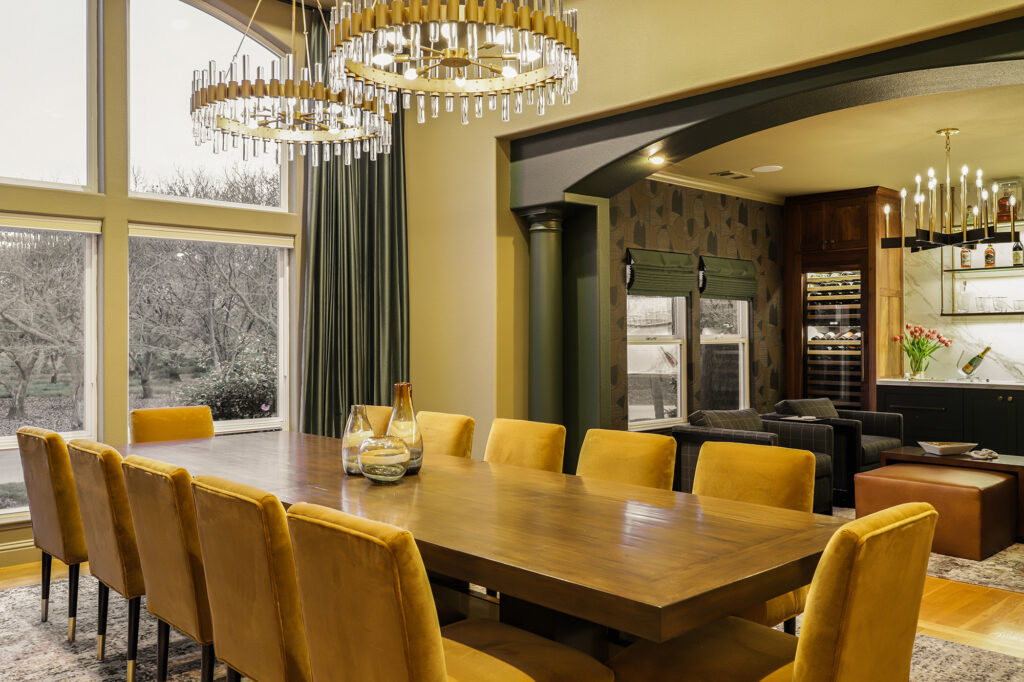
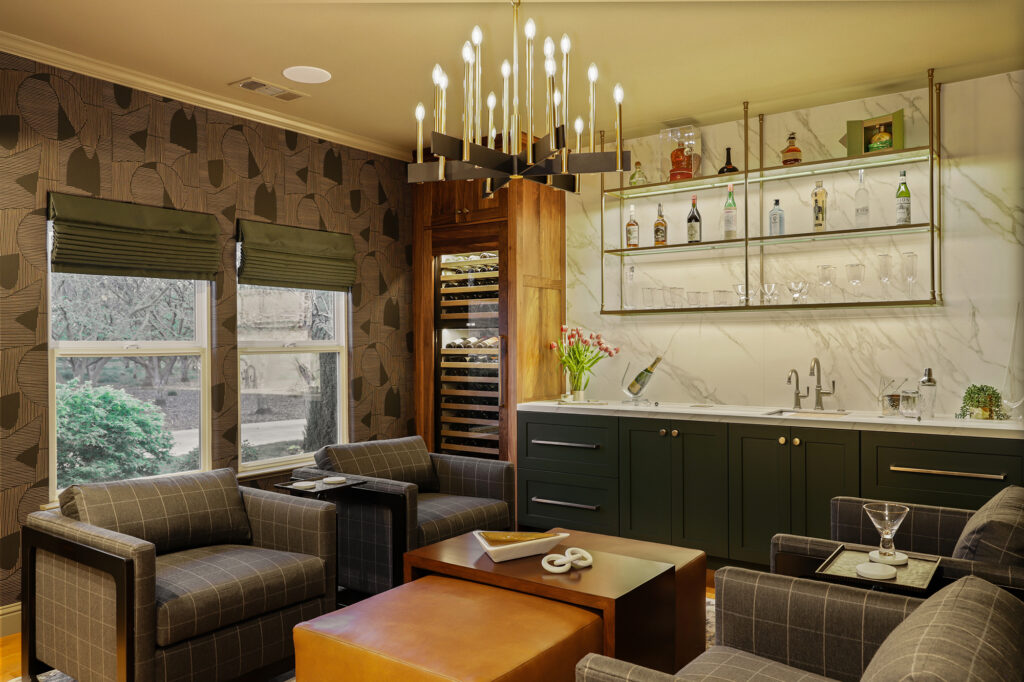
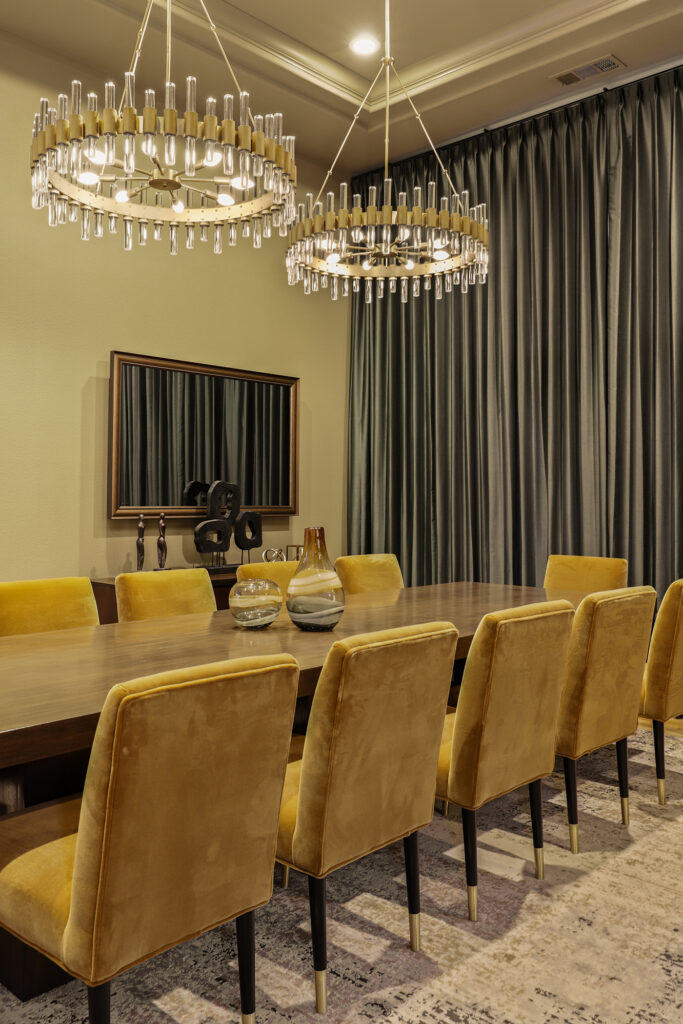
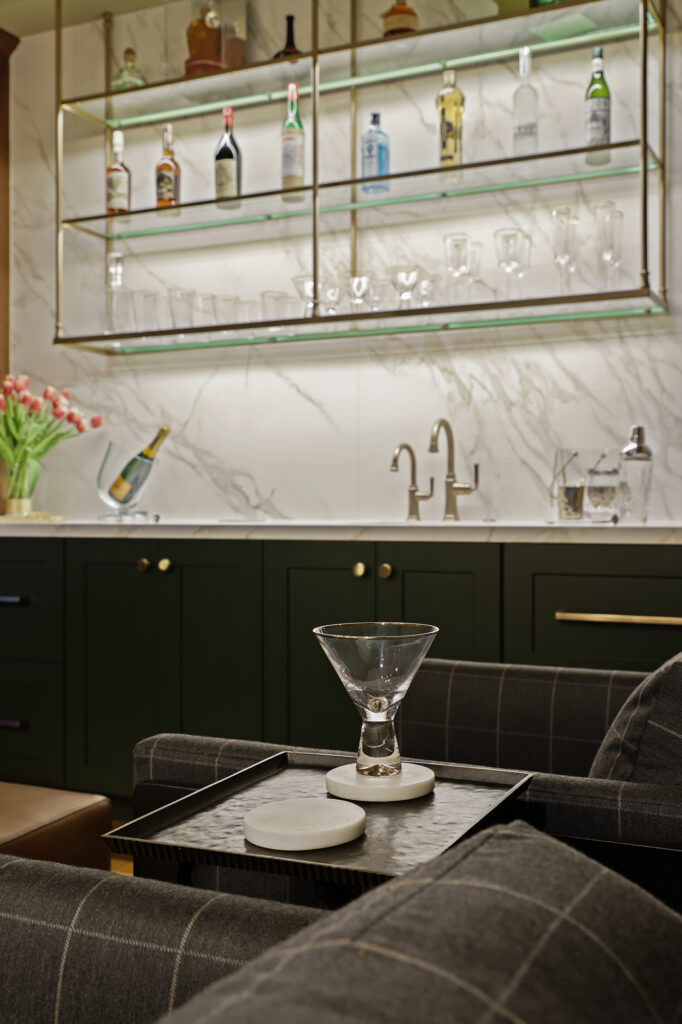
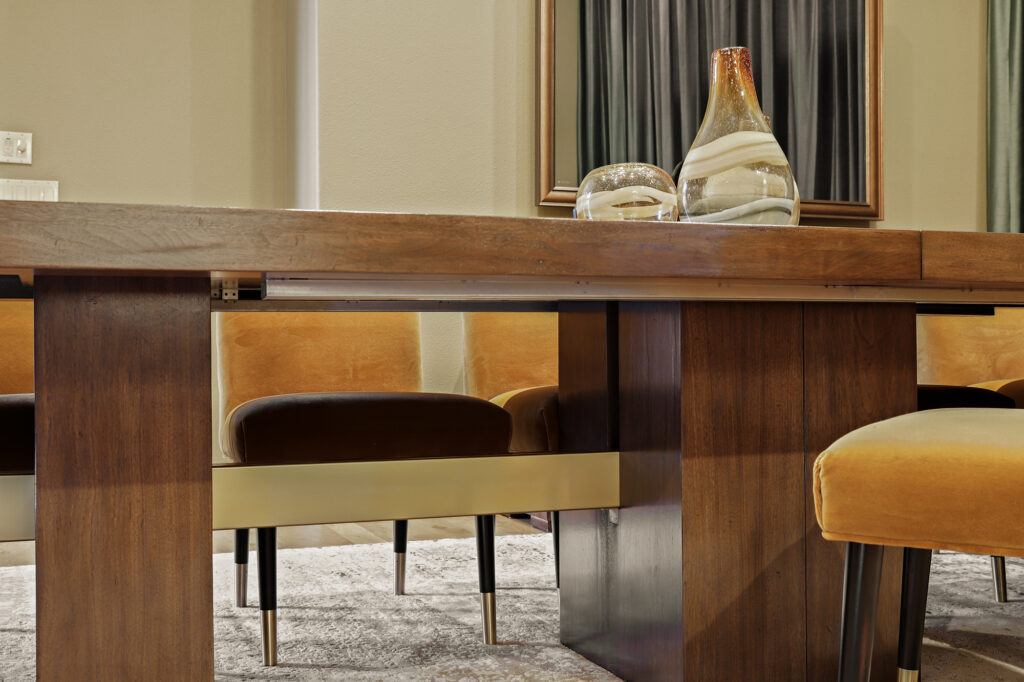
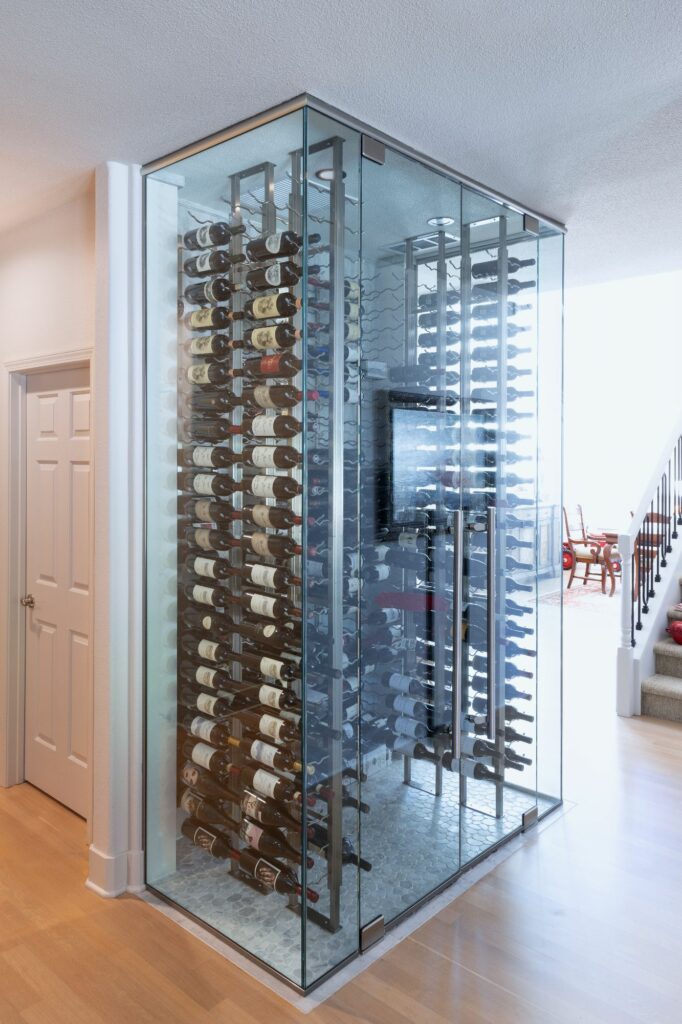
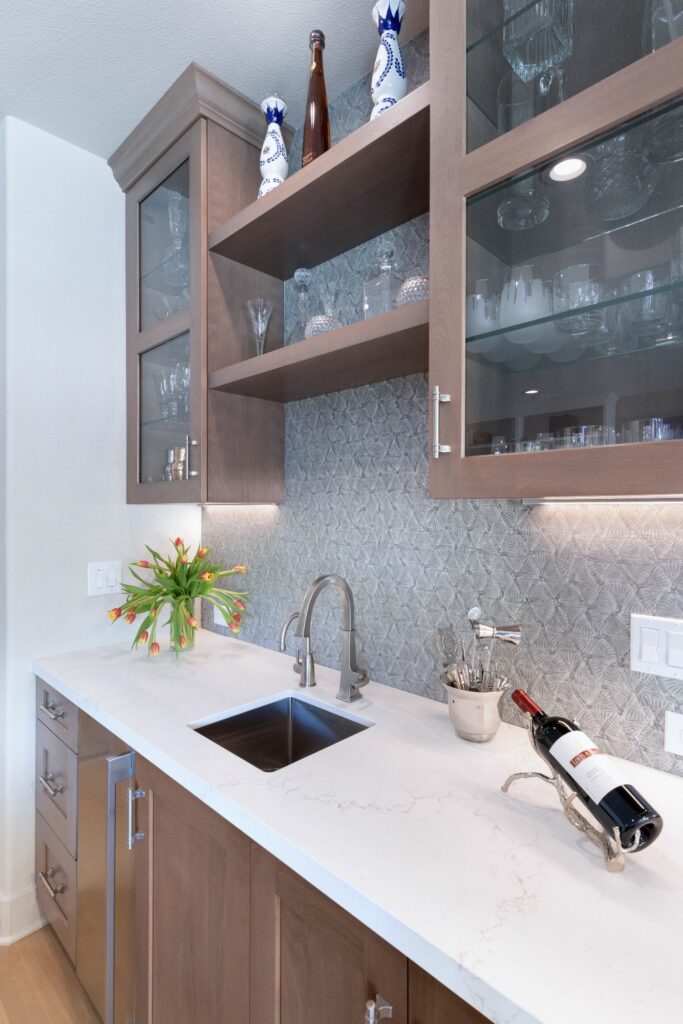
So we didn’t give the living room a new theme. We moved dinner into it. That room now holds a custom 214-inch smoked walnut table with three leaves and a polished brass bar running down the base. The old dining room became a lounge for cocktails and cigars, with a walk-up wet bar and twin wine chillers that hold 150 bottles.
Nothing in that plan was aspirational. Every decision came from how they already lived. The formal living room wasn’t dead. It had just been given the wrong job.
See the full project: Mix, Mingle, and Martini’s
When the household has changed
Many of the people I work with are in a new chapter. The kids have moved out. A marriage has ended. A spouse has passed. They’ve moved somewhere new.
The house was often designed around a household that doesn’t exist anymore. The first holidays after a change like that show you things, and some of them are hard to watch. A dining table that suddenly seats too many. A room that was always someone else’s.
Notice that too. It’s not a reason to rush into changes. It’s information, and it’s usually more honest than anything on a Pinterest board.
Bring the notes
If you’re thinking about a remodel next year, the most useful thing you can do between now and January costs nothing. Host the holidays, watch the house, and write down what you see.
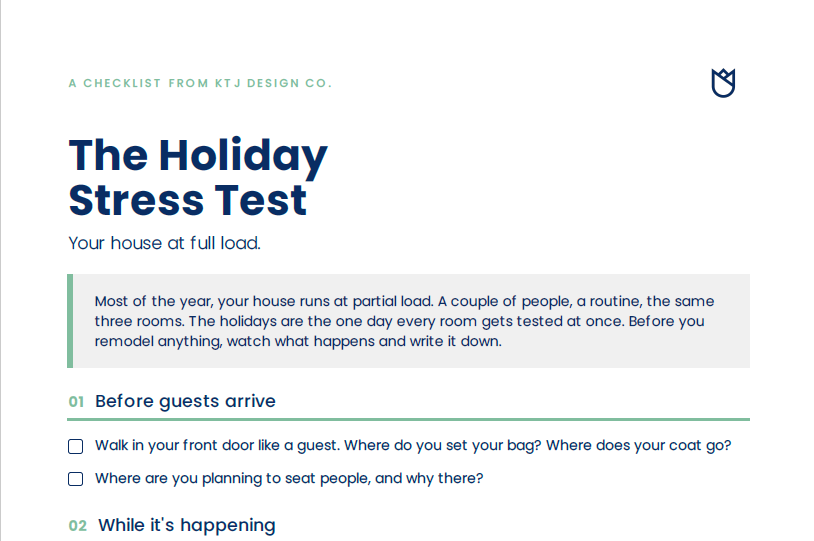
We made a checklist to help. Holiday Stress Test checklist
Then bring those notes to a Remodel Clarity Session. We’ll look at what your house has been telling you and figure out which rooms need a new purpose, which need a better layout, and which just need to be lived in.
Until next time,