Editor’s Note:
This article is the first in a five-part essay series exploring the relationship between home, identity, and intentional living. Over the coming months, we’ll examine how our homes can help us navigate life transitions, reduce overwhelm, express individuality, and support the lives we want to live.
Upcoming essays include:
• The Anti-Algorithm Home: Designing Beyond Pinterest Trends
• Designing for One: The Untapped Market Reshaping Residential Interiors
• The Death of the Dead Room: Why Formal Living Rooms Are Finally Disappearing
• Inherited, Collected, Kept: Why the Most Interesting Homes Feel Personal, Not Perfect
Relief May be the Rarest Luxury of All
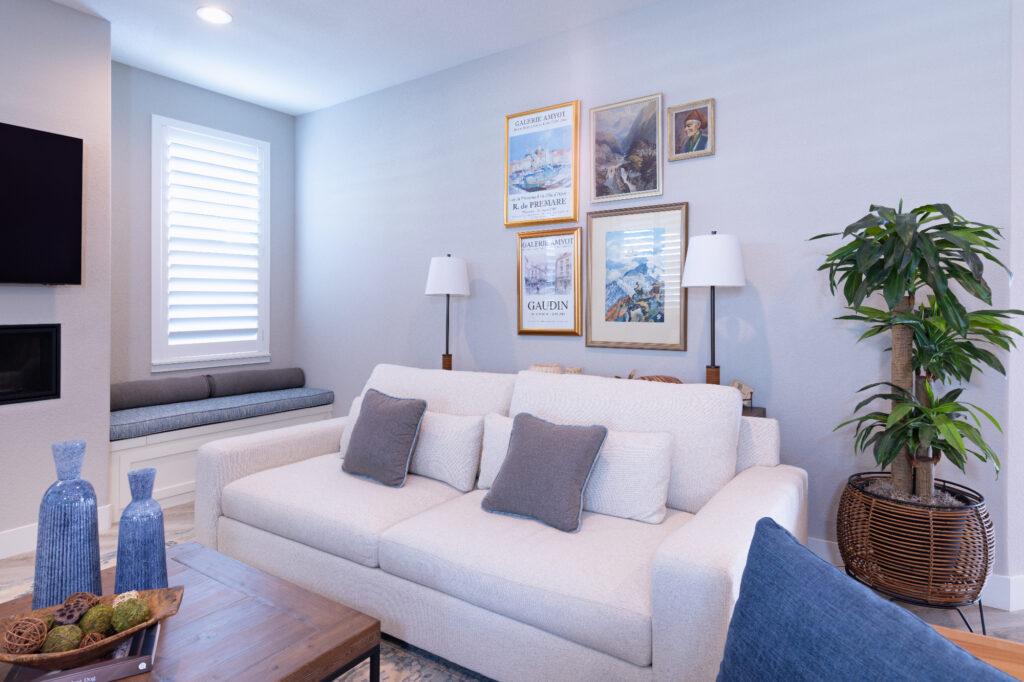
There was a time when luxury in the home meant formality. Grand entryways. Delicate furniture no one was allowed to sit on. Rooms designed more for admiration than actual living. Then came the era of excess. Bigger kitchens. Bigger closets. Bigger televisions. Bigger everything.
Now? Luxury is shifting again.
Today, the most coveted thing a home can offer is something surprisingly simple: relief.
Not visual stimulation. Not perfection. Not another room filled with “statement pieces.” Relief.
A quiet exhale at the end of an overstimulating day.
Because the truth is, modern life is loud. Constantly loud.
Phones buzzing. Notifications blinking. Podcasts playing during commutes. Music in stores. Television in waiting rooms. Endless scrolling before bed. We have trained ourselves to fear silence so thoroughly that many people cannot sit in a quiet room for more than a few minutes without reaching for a device.
“A well-designed home creates space for decompression.”
And eventually, the nervous system starts fighting back.
That is why emotional ease has become the new luxury. Not in a trendy, wellness-marketing kind of way, but in a deeply human one.
People are craving homes that help them recover from the outside world.
I see it constantly in my work as an interior designer. Clients rarely walk into a consultation saying, “I want emotional regulation.” What they say instead is:
“I want the house to feel calmer.”
“I want less chaos.”
“I just want it to feel easier to live here.”
What they are really asking for is peace.
And good design has the power to create it.
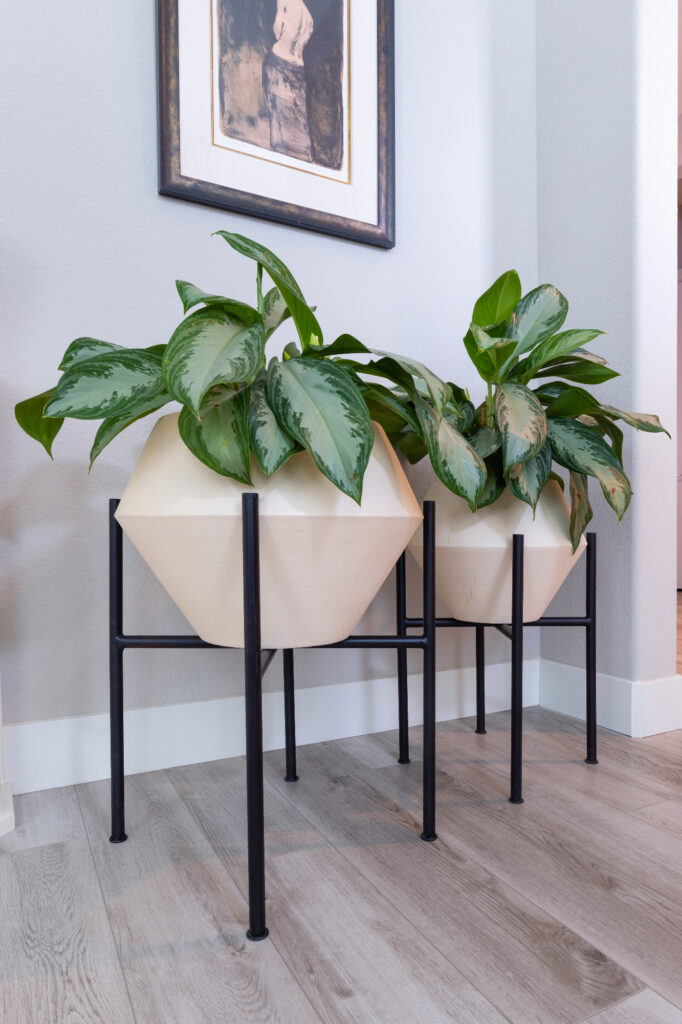
We Have Mistaken Stimulation for Living
For years, homes were treated almost like performance spaces. Open concept layouts with televisions visible from every angle. Kitchens designed for entertaining more than cooking. Furniture selected because it photographed well online, not because it supported real life.
Then social media accelerated everything.
Homes became content.
Rooms started looking eerily similar. White boucle chairs. Gray walls. Massive kitchens with no personality. Spaces optimized for algorithms instead of actual humans.
The result was visually polished but emotionally exhausting.
When every room is trying to be a “moment,” nothing feels restful anymore.
There is a reason people increasingly describe certain homes as feeling like a boutique hotel lobby or an Airbnb. They may be beautiful, but they often lack emotional grounding. They are designed to impress, not restore.
And restoration is what people desperately need now.

Silence Has Become a Design Feature
One of the most surprising things I have learned through silent yoga classes and my own routines is how uncomfortable quiet can feel at first.
No music. No television. No background noise.
Just silence.
Initially, the brain rebels against it because we have conditioned ourselves to expect constant stimulation. But eventually something shifts. The nervous system softens. Thoughts slow down. The body unclenches.
Then suddenly, silence becomes the thing you crave most.
I experience this every evening when I come home. No television humming in the background. No music filling the room. Just quiet.
And I can literally feel my brain exhale.
That feeling has deeply influenced the way I think about interiors. Homes should not compete with the noise of the outside world. They should interrupt it.
A well-designed home creates space for decompression.
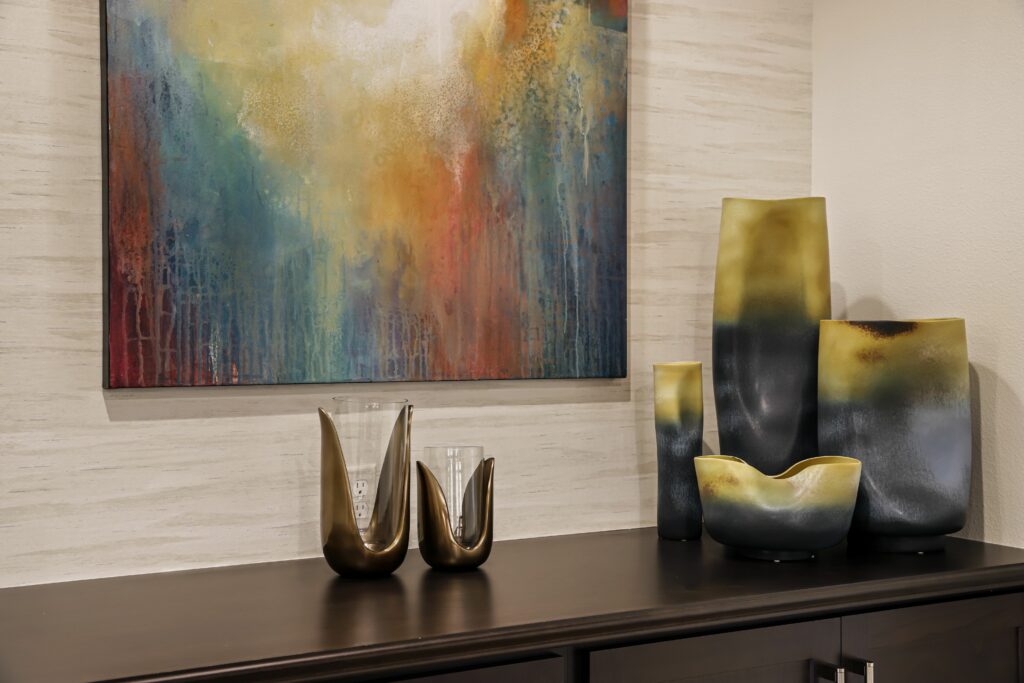
Emotional Ease Is Physical
People often think emotional comfort is abstract, but in interiors, it becomes tangible very quickly.
It looks like:
- layered lighting instead of harsh overhead glare
- seating arrangements that encourage conversation instead of television worship
- softer textures
- intuitive layouts
- rooms that feel edited instead of overcrowded
- meaningful objects instead of endless decorative filler
It is not about minimalism necessarily. A home can still feel collected, layered, and deeply personal while also feeling emotionally calm.
The key difference is intentionality.
Every item in a room either contributes to ease or contributes to noise.
And noise is not always audible.
Visual clutter is noise.
Poor flow is noise.
Too many competing finishes are noise.
Oversized rooms with no intimacy are noise.
You feel these things even if you cannot immediately identify them.
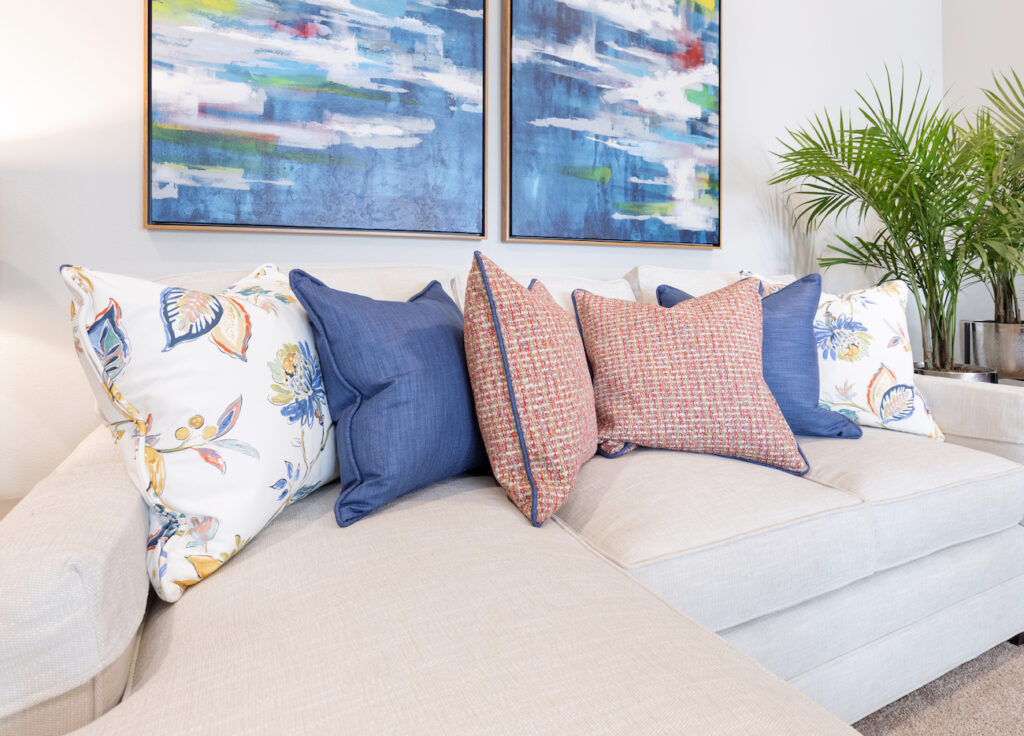
The Most Luxurious Homes Rarely Scream
One thing I have noticed in truly beautiful homes is that they rarely try too hard.
There is restraint.
The rooms feel settled.
Nothing is begging for attention.
The materials are tactile and grounding. Lighting is warm. Furnishings invite people to actually sit down and stay awhile. There is a sense that the homeowners understand who they are and no longer feel the need to prove anything.
That confidence changes everything.
Ironically, emotional ease often creates interiors that feel more elevated because they are rooted in authenticity rather than performance.
The home becomes a reflection of life instead of a stage set.
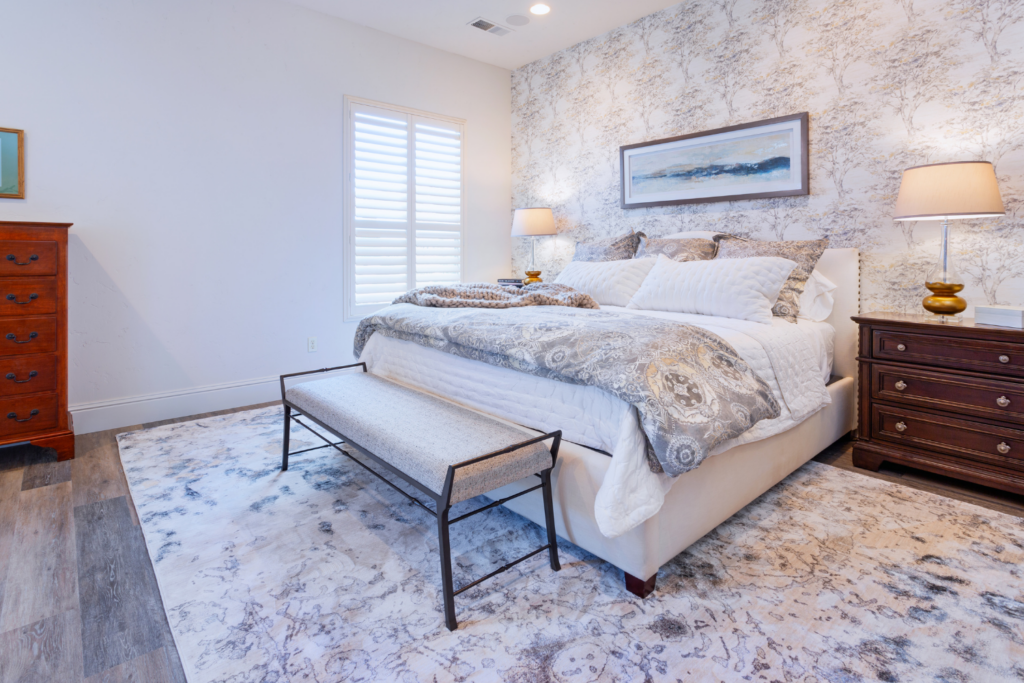
Designing for Nervous System Recovery
We talk constantly about self-care culture, but rarely discuss the role interiors play in mental fatigue.
Our environments shape our bodies more than we realize.
A chaotic home keeps the nervous system alert.
A restorative home allows it to settle.
That does not mean homes should be sterile or empty. Quite the opposite. The goal is not deprivation. It is alignment.

When a home reflects how someone truly wants to live, the entire atmosphere changes.
People cook more slowly.
Conversations last longer.
Mornings feel less frantic.
Evenings feel softer.
The house begins supporting life instead of draining energy from it.
That is real luxury.
Not excess.
Not square footage.
Not trend-driven perfection.
Relief.
And in a culture built on constant stimulation, relief may be the rarest luxury of all.
If this essay resonated with you, I invite you to continue the conversation.
Join me next month for Part Two of the series, The Anti-Algorithm Home, where we’ll explore why so many homes are beginning to look alike and how to create spaces that reflect your identity instead of the latest trend.
Until then, take a moment to consider:
When you walk through your front door, does your home add to the noise, or help you recover from it?


Life by Design
At KTJ Design Co., we believe a home should do more than look beautiful. It should support the way you want to live.
If you’re navigating a new chapter and want a home that reflects who you are today, we’d love to help.